Training the Brain to Transform Fear into Focus
FQST provides a neuroscience-based method that retrains how the mind responds under stress — guiding it from reactive fear to adaptive clarity.
What Is the FQST Framework?
FQST (Frequency-based Quantum Self-Training) integrates neuroscience, behavioral science, and experiential exposure.
It teaches the nervous system to reinterpret discomfort as data — not danger — leading to emotional regulation, resilience, and adaptive performance.
- Integrates neuroscience and behavioral training
- Designed for anxiety and stress regulation
- Combines cognition, emotion, and physiology
How the FQST Cycle Works
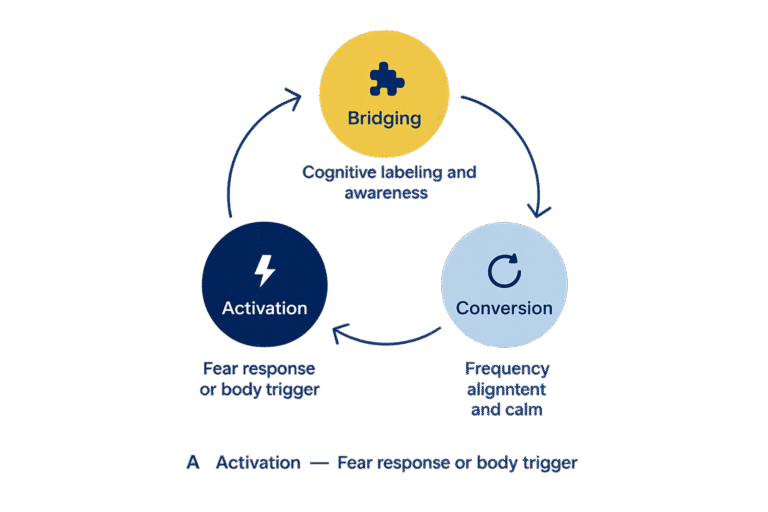
Each loop strengthens neural adaptability, teaching the brain to interpret stress as rhythm, not chaos. Over time, learners shift from reaction to precision and balance.
FQST Core Principles
Amygdala–Prefrontal Imbalance
When anxiety or fear activates, the amygdala (the brain’s alarm center) becomes overactive while the prefrontal cortex — responsible for reasoning and logic — temporarily goes offline. This imbalance explains why clear thinking feels impossible in high-stress moments. FQST retrains this connection, helping logic and calm regain control during emotional surges.
C-Somatic Mechanism
In C-frequency states, the body’s internal signals — heartbeat, breath, or muscle tension — become exaggerated and misread as threats. FQST helps learners reinterpret these sensations through gradual exposure and recognition exercises, teaching the brain that discomfort ≠ danger.
Neuroplasticity
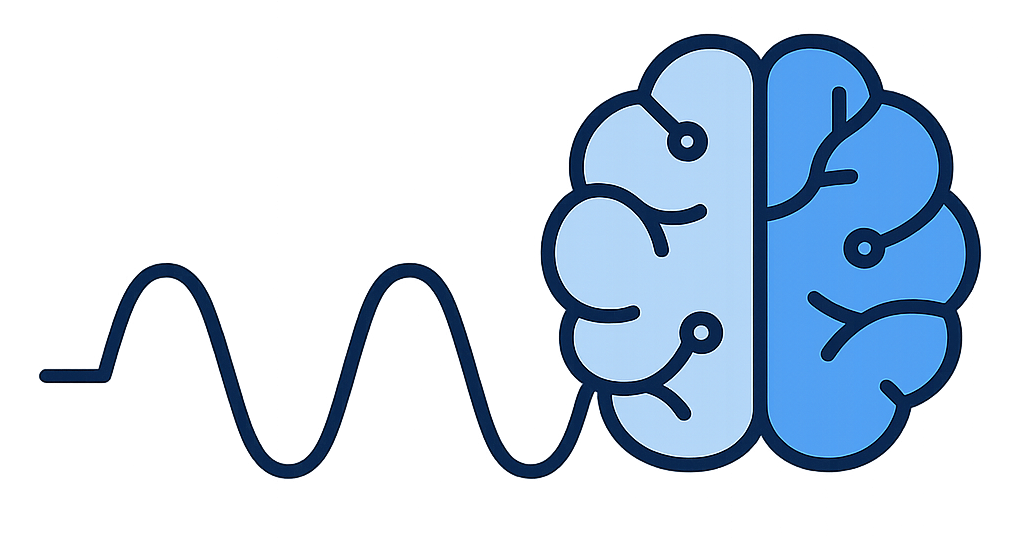
The brain is capable of constant change — a property known as neuroplasticity. Through structured practice at moments of peak discomfort, FQST transforms fear responses into opportunities for new neural wiring, turning reactive patterns into adaptive learning.
Frequency Remodeling
Every emotional state operates at a unique “frequency.” FQST provides tools to recognize, track, and adjust these internal frequencies — guiding the mind from chaotic, high-alert patterns toward regulated, balanced states of awareness and action.
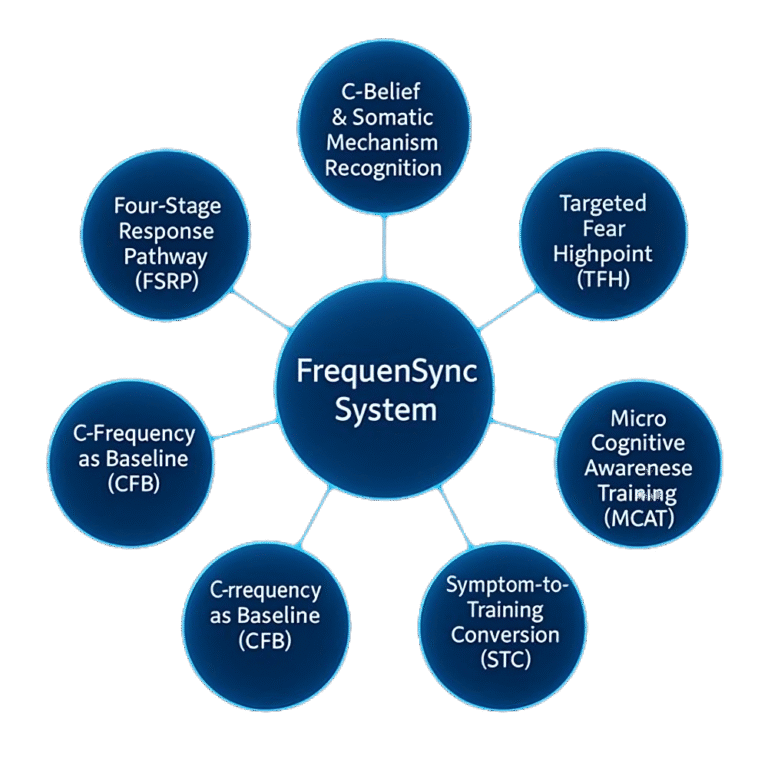
The 7 Core Modules of the FrequenSync System
The 7 Core Modules of the FrequenSync System provide a structured pathway to effectively manage anxiety by retraining both the body and mind. Through recognizing the link between catastrophic beliefs and physical sensations, engaging safely with fear at its peak, and cultivating micro-level cognitive awareness, users learn to interrupt anxious loops. By converting symptoms into training opportunities and shifting focus from avoidance to purposeful action, the system restores forward momentum. Over time, individuals learn to accept heightened alertness as a manageable baseline and use the Four-Stage Response Pathway to regulate emotions in real time—transforming anxiety from a threat into a guide for adaptive growth.
How FQST Works
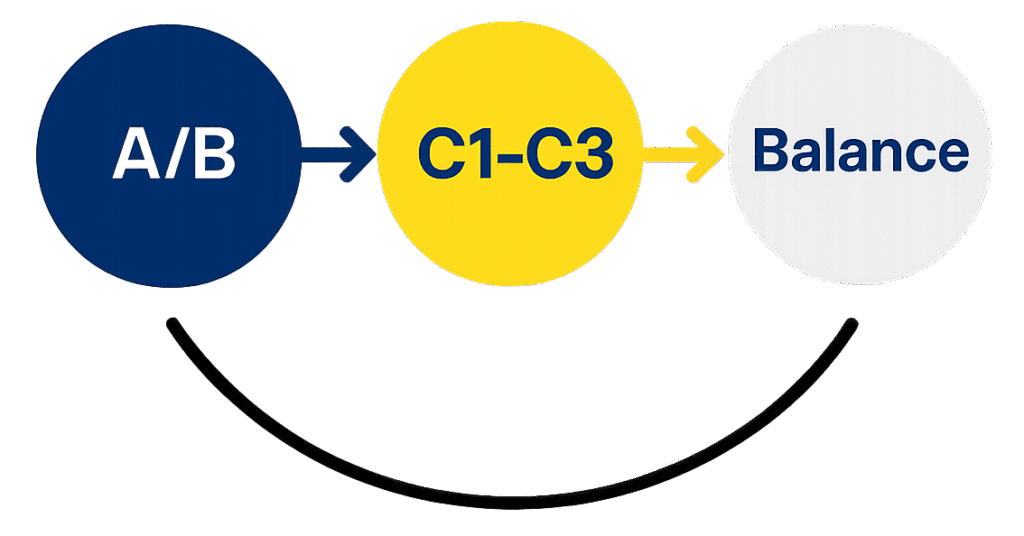
FQST helps the nervous system “downshift” from reactive fear to adaptive clarity through structured exposure and cognitive labeling.